 LinkedIn


S01 E03 - Will Prompt Engineering Be the Next Programming Language?
All Episodes

.png)
.webp)
.webp)
.webp)
.webp)
.png)
.png)
.png)
.webp)
.webp)



.webp)



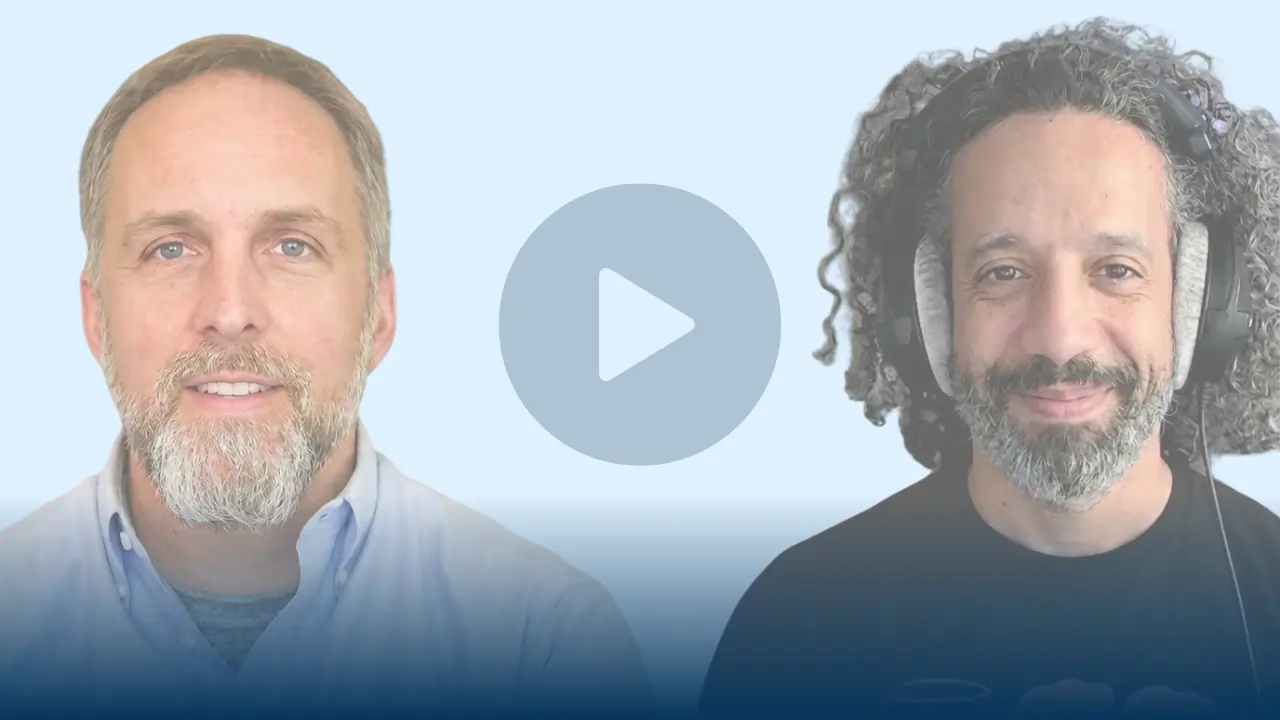
A conversation with Eddie Wassef at KubeCon
On the AI Kubernetes Show, host William Chia chats with Eddie Wassef, Managing Director, Head of Architecture and AI at Chase, and a maintainer for the KubeOps operator for .Net developers, to discuss how AI is reshaping software development and platform engineering. They discuss his multi-agent workflow, how using AI is a bit like using a 'stick shift' car, and the idea of prompt engineering as the next programming language.
AI tooling for developers vs. platform teams
This blog post was generated by AI from the interview transcript, with some editing.
According to Wassef, the main difference between AI tooling for platform engineers and application developers lies in the scope of the work. Application developers primarily use AI agents for daily integrated development environment (IDE) tasks, specifically to look at your code in a minimal context and figure out how to build tests and how to get your features done.
Platform engineers, on the other hand, have a broader focus. They typically view the AI agent as a partner in developing tools for application developers and, potentially, other AI agents. This includes platform engineering AI agents or tools that help people debug provision infrastructure better. As for his role at Chase, Wassef sees himself playing somewhere in the middle as he works with both teams.
An agentic AI workflow pipeline
Wassef believes we should use various AI tools rather than seeking a single, all-encompassing solution. That's why he uses a multi-agent pipeline for his personal projects. He'll use several agents and pits them against each other because each has their strengths and weaknesses. ChatGPT plays the role of a business analyst or program manager agent to generate a comprehensive requirement specification, similar to a spec flow from GitHub. This requirement document is then passed to a second agent, Claude, which is tasked with creating the full set of test cases and the overall project structure. Finally, the entire output is pasted into a third tool's editor, such as the Windsurf editor, to generate the code, which the second agent (Claude) then tests upon completion.
The stick shift analogy
The impact of AI on increasing velocity or quality is conditional—its effectiveness entirely depends on its application. When used well, AI can significantly boost productivity, enhance work quality, and even improve overall quality of life. Even seemingly simple tasks like documenting code or writing tests can yield significant benefits and improve the overall code quality.
Using AI is a bit like driving a manual car, says Wassef. Let's say you rent a sports car without knowing how to drive a stick shift. You'll likely end up crashing into a wall. Instead, you need to get familiar with how AI works before you unleash it on full deployment.
The next programming language?
The industry is shifting back to prioritizing business intent and desired output. Could prompt engineering and spec flow be the next programming language? Wassef believes so. This higher level of abstraction frees engineers to focus on the value their software is bringing to their customers instead of being constrained by a particular programming language.
Wassef notes that software projects can fail when developers don’t get customer feedback or don’t get the right requirements, so they don’t have the right understanding of the value of what they’re building.
Embracing non-deterministic output
Engineers face challenges in wrestling with the non-deterministic nature of AI. While some may not quite like it, Wassef loves it. He shared an example of how a "beautiful bug" led to a better outcome. When his agent's charting tool failed, the agent chose to build an ASCII chart to meet the developer's intent. It found a creative solution to overcome the bug. This was non-deterministic problem-solving!
Engineers are non-deterministic as well, by the way. No two developers are ever going to write the same code. If Wassef had to write the same logic again, he would likely write it differently. AI is no different. So, embrace this AI aspect. It can be highly valuable. He says that the value and potential of AI is very very high, and don’t be scared of the non-deterministic aspect of AI.
The "something lost" debate
Do engineers lose control over the architectural or design thinking journey by delegating tasks like writing documentation or tests to AI? The short answer is yes. However, this argument applies to any new tool. The loss of knowledge, such as memory and CPU understanding when moving from assembly to higher-level languages, is compensated by the ability to focus on something more important. There is always a tradeoff.
Communicating AI to leadership
In large enterprises, conversations about AI typically revolve around one concern: "How does this help and not hurt me?" But AI isn't a magic wand. It's just a tool, and leadership should view it through a human-centric lens.
Wassef's tip: Treat AI like a new hire. Would you allow a new employee to push code to production without checks and balances? No. Well, AI shouldn't either. If you apply the fundamentals of modern software development (e.g., guardrails around additional tests, coverage, and performance) to AI, it becomes less dangerous. It's also important to address human fears, such as losing jobs or data leaks. Wassef strongly believes that developers aren't being replaced. They just have more code to write, and AI is there to assist them.
Open Source Maintainership in 2025
Wassef believes that this is the best time to be a maintainer. The community and support are phenomenal, and the mindset has shifted to sharing common values and the value we get from software.
And AI is at the forefront of open source contribution. Users can go into a repo they are using. They may not really understand it, but the AI can explain it to them. You can tell it what you want to do, including some tests, and contribute it back to the community. AI will dramatically lower the entry barrier for collaboration.
Stay in touch with Eddie
The best way to connect with Eddie Wassef is LinkedIn. Find him under his name, Eddie Wassef. Or, if you are in Texas, you can attend their yearly KCD Texas conference in May at the Texas Museum of Computing History. Their website is kcdtexas.org. To learn more about what he's up to, check his About Me page.
FAQ
What is the main difference between how platform engineers and application developers use AI?
The main difference between AI tooling for platform engineers and application developers, according to Wassef, is the scope of the work. Application developers primarily use AI agents for daily integrated development environment (IDE) tasks, specifically to look at your code in a minimal context and figure out how to build tests and how to get your features done.
How do you safely introduce AI into a software development environment?
Treat AI like a new hire. Would you allow a new employee to push code to production without checks and balances? No. Well, AI shouldn't either. If you apply the fundamentals of modern software development (e.g., guardrails around additional tests, coverage, and performance) to AI, it becomes less dangerous.
Why will prompt engineering and 'spec flow' be the 'next programming language'?
The industry is shifting back to prioritizing business intent and desired output. Could prompt engineering and spec flow be the next programming language? Wassef believes so. This higher level of abstraction frees engineers to focus on the value their software is bringing to their customers instead of being constrained by a particular programming language.