 LinkedIn


S01 E12 - Platform Engineering, AI, and the Two Faces of Cloud Native Sustainability
All Episodes


.png)
.webp)
.webp)

.webp)
.webp)
.png)
.png)
.png)
.webp)
.webp)






.webp)







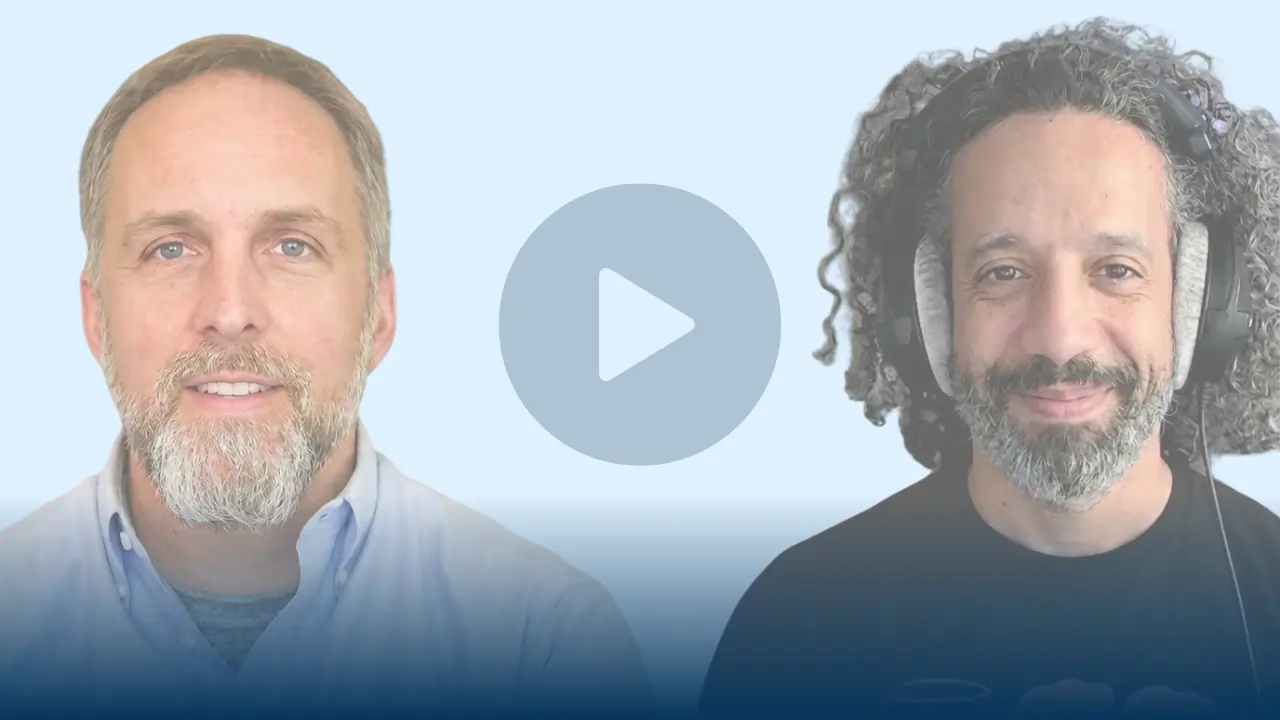
In this episode of The AI Kubernetes Show, we talked with Faseela, a cloud native developer at Ericsson and KubeCon co-chair, about the success of KubeCon + Cloud NativeCon North America 2025, the hottest trends, and the future focus on platform sustainability.
KubeCon + Cloud NativeCon North America 2025
This blog post was generated by AI from the interview transcript, with some editing.
KubeCon Atlanta was a terrific event with almost 9,000 attendees. The success of the conference was a major team effort. The CNCF staff did a tremendous job, and the program committee worked behind the scenes to review all the talk submissions, rate them, and ensure only the best topics were selected.
The technical focus areas highlighted a convergence of AI and Kubernetes, which drove a lot of new emerging trends at the conference. The most popular tracks, based on the maximum number of talk submissions, were platform engineering and AI.
The future of cloud native: Sustainability and cost efficiency
Looking ahead to KubeCon Europe in Amsterdam, Faseela shared her thoughts on the ongoing evolution of the cloud native landscape. Platform engineering and AI trends are definitely going to continue. Beyond those, though, a new focus needs to emerge: sustainability.
The future of cloud native and platform engineering will be driven by the engineers who can design platforms that are secure, cost-efficient, and sustainable.
Two aspects of cloud native sustainability
Sustainability in the cloud native community is a two-sided coin, covering both the human element and the environmental impact.
The first aspect is human sustainability, which focuses on the health of the open source community. This is fundamentally about the people who build the community, the projects, and everything else. It's important that maintainers and contributors are respected and have the resources they need to continue their work without burning out. This is especially true for those who are working on these projects in their spare time or purely out of interest, without getting paid.
The second aspect is environmental sustainability, which is all about platform design. With technologies like AI consuming a lot of resources, we have a responsibility to make sure our work doesn't harm the environment. This means engineers must actively consider how to design platforms to be optimized and efficient from the ground up.
Mechanisms to combat maintainer burnout
As a member of the CNCF's Technical Oversight Committee (TOC), Faseela often discusses how the CNCF works to keep open source projects healthy and prevent maintainer burnout.
TOC members frequently perform health checks on CNCF projects to ensure there are enough maintainers and that everything is running smoothly. When a project doesn't have enough maintainers, the CNCF takes a few steps. First, they make the situation public to the wider ecosystem to find other interested contributors. Second, they make sure that companies using the project are aware of the situation. This encourages those companies to step up, offer to help maintain the project, and dedicate resources to it.
Stay in touch with Faseela
For folks that would like to catch up with Faseela and keep in touch, you can find her on LinkedIn and on the CNCF Slack by the name Faseela K. Faseela shared that she is happy to offer support, as she also came to the cloud native community as a newcomer and received a lot of support and mentoring, and would like to do the same for others.
FAQ
What were the most popular tracks at KubeCon North America 2025?
The most popular tracks at the conference, so those that received the maximum number of talk submissions, were platform engineering and AI.
What is the future direction for cloud native platforms?
The future of cloud native is expected to focus on platforms that are secure, cost efficient, and sustainable.
What are the core components of sustainability in the cloud native community?
There are two sustainability focus areas in cloud native: First, there's human sustainability—making sure maintainers have the resources they need and don't burn out. Second, we need to think about environmental sustainability by designing platforms optimized to minimize impact on the environment.
How does the CNCF address maintainer burnout in open source projects?
The CNCF Technical Oversight Committee (TOC) regularly performs "health checks" on projects. If a project is found to be under-maintained, they'll reach out for new contributors from the wider ecosystem or encourage companies that rely on the project to dedicate resources for its maintenance.