 LinkedIn


S01 E04 - The Overdelegation Trap: The Call for AI Training, DevX, and Creativity
All Episodes

.png)
.webp)
.webp)
.webp)
.webp)
.png)
.png)
.png)
.webp)
.webp)





.webp)







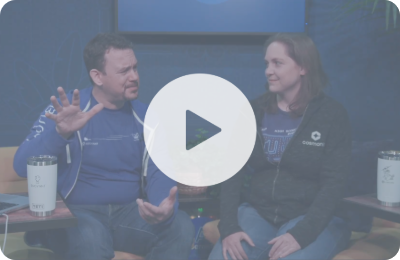
On this episode of The AI Kubernetes Show, we chatted with Diana Todea, Developer Experience Engineer at Victoria Metrics and Co-chair for the CNCF Neurodiversity Working Group. This post summarizes our discussion, which covered the impact of AI, generational shifts, and the role of Developer Experience (DevX).
AI's duality: Aid vs anxiety trigger
This blog post was generated by AI from the interview transcript, with some editing.
The new wave of AI tools and processes is impacting both neurotypical and neurodivergent individuals. The introduction of AI into our engineering workflows is definitely a mixed bag. On the one hand, AI can be a massive aid. It's incredibly useful for specific tasks, especially when you're heads-down working alone. It helps you get things done, boost efficiency, and save significant time. Todea leans on AI daily for brainstorming, research, and asking those "dumb questions" she might be too shy or nervous to ask another person. She sees it as a fantastic tool for structuring and organizing ideas and thoughts.
However, this new tooling can also be a source of anxiety. It's yet another tool you have to learn, another item in the tech stack that you feel pressure to master. This need to constantly adapt and master new technology can definitely trigger a bit of stress.
The risk of overdelegation and the "vicious circle" of AI use
The conversation around AI often focuses on the risk of overdelegation. There is a real concern that relying too heavily on AI can make us lazy in our day-to-day work. It's a real trap, especially for those just starting out. It's incredibly easy to use an AI tool to do most or all of your work. The danger surfaces when a user lacks foundational experience. Without that base knowledge, if they are asked how they came to that conclusion, they immediately use AI again to try and explain the problem—a very tricky, vicious cycle. To combat this, employers need to step in. Todea would definitely want to put a stop to this behavior by implementing proper training on how to use AI effectively and ethically in the workplace.
Finding the right workflow balance
A healthy process should always include maintaining a "healthy dose of skepticism" toward AI output. When working with AI, the best advice is simple: listen to your human intuition. When you're tackling something complex that you don't normally master, the key is to slow down. First, pause and try to work through it manually, using your own thoughts. Only after you've done that should you begin to integrate AI, trying it out little by little. This approach ensures the work has to pass through your chain of thoughts, forcing you to internalize the process or the workflow. And always, maintain a healthy dose of skepticism toward the AI's output.
AI's impact on youth creativity
AI's immense popularity with younger generations is turning it into a routine part of life, even in school. But as AI becomes this commonplace, there's a valid concern about what that level of usage does to individual creativity, communication, and even the "traditional" experience of learning and working. If AI is going to be so deeply integrated, we need to think seriously about how we use it. Training on AI best practices should start early, in school, and continue right up through the workplace. It's about exercising caution and defining exactly how much we're using it daily and for what specific use cases.
The DevX engineering role
Todea is a developer experience engineer (DevX engineer). So what does that mean? It's essentially a complete rebranding of the traditional developer advocate or developer relations position, explains Todea. The rationale is that engineers prefer to talk to other engineers. In short, a DevX engineer acts as a bridge, helping developers get up to speed on specific use cases and technologies, which could be anything from platform engineering to other complex areas.
A core part of the job is constantly engaging with the community to capture frustrations and bring that feedback directly back to the organization or product team. Todea describes this role as a kind of "debug role"—almost like a doctor—where developers trust the DevX engineer to listen when they're hitting a roadblock. Todea shared a great example from her work as an open telemetry contributor where a major friction point, like difficulties with documentation, was raised to the CNCF community simply by opening an issue.
The future of AI in DevX
Looking ahead, Todea feels that AI's potential in DevX hasn't been fully tapped yet. While she hasn't seen it widely exploited in community management and care, she's eager for it to be properly integrated. She's heard whispers of AI workflows potentially making their way into developer experience platforms and even into CI/CD tooling, which would certainly be a game-changer for both the engineering team and the customer experience.
Staying in Touch with Diana
Diana Todea can be reached via the following channels:
- Bluesky: @didiviking.bksy.social
- X: @dianavtodea
- Mastodon: @dianatodea
- GitHub (conference talk lists(
- Her work email: diana (at) victoriametrics.com
- Company website: Victoria Metrics